
READ THE OFFICIAL MURANIKA WEEKLY NEWSPAPER | 22–29 NOVEMBER 2026 (PDF)
This week’s biggest stories were not limited to political headlines. Climate negotiations, trade agreements, AI-related work, education access, vaccine research and tourism all carried practical implications for governments, businesses and households. Here are ten developments worth understanding, with an emphasis on what changes next.
1. COP31 ends without a final political agreement
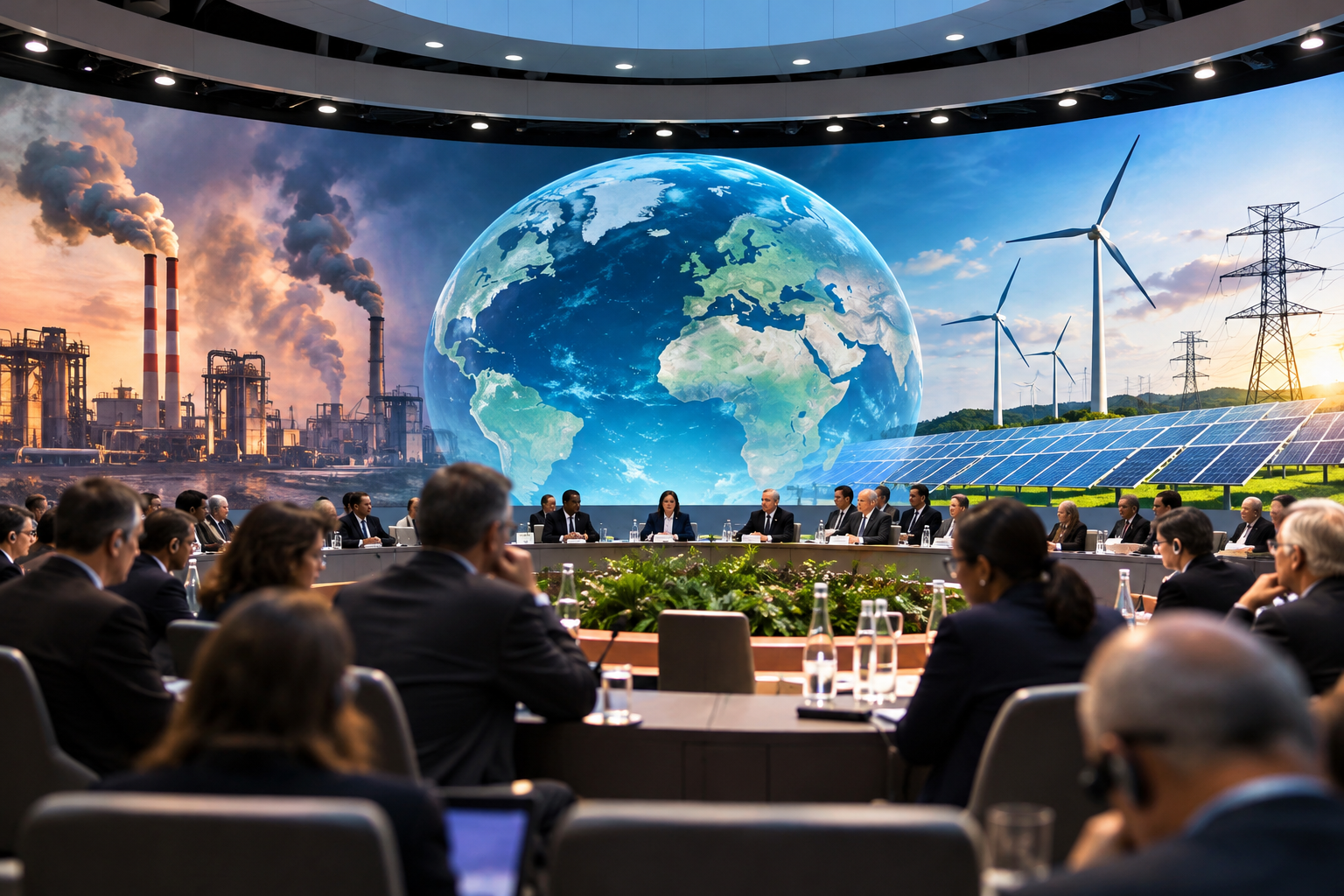
The UN climate conference in Antalya closed without an overarching political agreement after divisions over fossil fuels and climate finance blocked consensus. Delegates nevertheless adopted 46 decisions and advanced work on just transition and electrification initiatives. The outcome leaves governments facing difficult negotiations ahead of COP32 in Addis Ababa. Existing climate commitments remain in place, but implementation and finance remain unresolved pressure points. Reuters’ post-summit analysis.
2. EU and Indonesia sign a major trade agreement
The European Union and Indonesia signed a trade agreement after years of negotiations, aiming to lower trade barriers and create opportunities for exporters and investors across a large combined market. The practical impact will depend on ratification, implementation schedules and product-specific tariff rules. Businesses should watch the detailed provisions and transition periods rather than assume immediate tariff-free access. Read Muranika’s trade and economy coverage.
3. AI and employment: the skills question moves centre stage
A Muranika analysis examined Gartner’s forecast of a net increase of 1.7 million AI-related jobs by 2030. This is a forecast, not a guarantee of individual job creation: new roles may emerge while existing tasks and occupations are reshaped. Workers and employers should focus on practical AI literacy, domain expertise, data skills and the ability to verify AI-generated output. Read the full analysis.
4. India expands vocational skills access for young women
India’s NAVYA 2.0 initiative is designed to extend vocational-skills opportunities for young women aged 16–25 across 100 districts in 24 States and Union Territories. Interested candidates should verify eligible courses, local training partners, enrolment dates and official recognition before paying any fee. Read the NAVYA 2.0 explainer.
5. Foreign university campuses: opportunity, but check approvals
India’s higher-education landscape continued to evolve, with 17 Letters of Intent reported for foreign university campuses. A Letter of Intent is not the same as a fully operational, approved campus. Prospective students should confirm the regulator’s latest status, awarding institution, programme recognition, fees and refund terms before enrolling. Read the student checklist.
6. India–Denmark partnership puts green growth on the agenda
A five-year India–Denmark joint action plan for 2026–2031 sets out cooperation in green energy, water, skills, innovation and finance. Its significance will be measured by funded projects, implementation milestones and opportunities for companies, researchers and training institutions—not just the announcement itself. Read the partnership overview.
7. Uganda begins an mRNA vaccine trial for a rare Ebola strain
Uganda launched a Phase I trial of an mRNA vaccine candidate targeting Bundibugyo Ebola. Early-stage trials primarily assess safety and immune response; they do not establish that a vaccine is effective. The development matters because there is no licensed vaccine specifically for this Ebola species, and trial progress will be important for future outbreak preparedness. Read the vaccine-trial report.
8. Japan tourism reaches a new October high
Japan recorded an estimated 3.91 million international visitor arrivals in October 2026, while arrivals from India rose 44.8% year on year, according to the figures covered by Muranika. Continued visitor growth supports tourism and service businesses, but also increases pressure on transport, accommodation and popular destinations. Travellers should plan ahead and check local crowd-management guidance. Read the tourism update.
9. Global food security: 16 hotspots face elevated risk
UN food agencies warned that acute food insecurity could worsen across 16 hotspots between December 2026 and May 2027, with conflict and El Niño-related weather risks among the drivers. The warning points to the importance of early humanitarian funding, resilient agriculture and monitoring food prices and harvest conditions. Read the food-security briefing.
10. US tariff proposals put trade uncertainty back in focus
The United States proposed new tariffs affecting 14 trading partners, including Japan, India, China and the European Union. These were proposals subject to consultation, not final duties already in force. Exporters and importers should monitor official notices, product coverage, consultation deadlines and negotiations that may change the proposed rates. Follow the reported developments.
What to watch next week
Watch the implementation path for the EU–Indonesia trade deal; the next phase of climate negotiations; practical enrolment details for India’s skills initiatives; results from Uganda’s vaccine trial; and whether proposed US tariffs become final measures. Across all five, the key distinction is between announcements and outcomes.
Muranika — Curiosity Meets Intelligence. A weekly guide to the developments shaping our world.

Leave a Reply